
The Zimbabwe Village Turning a Hero’s Home into a Future-Proof Legacy
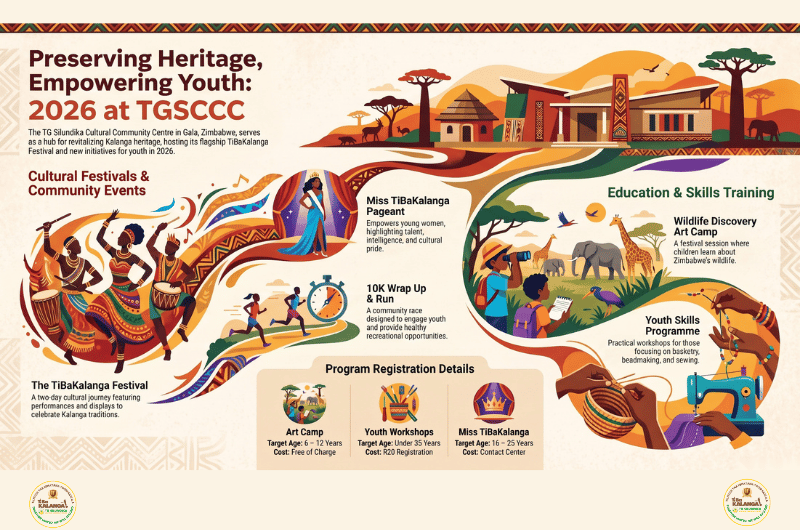
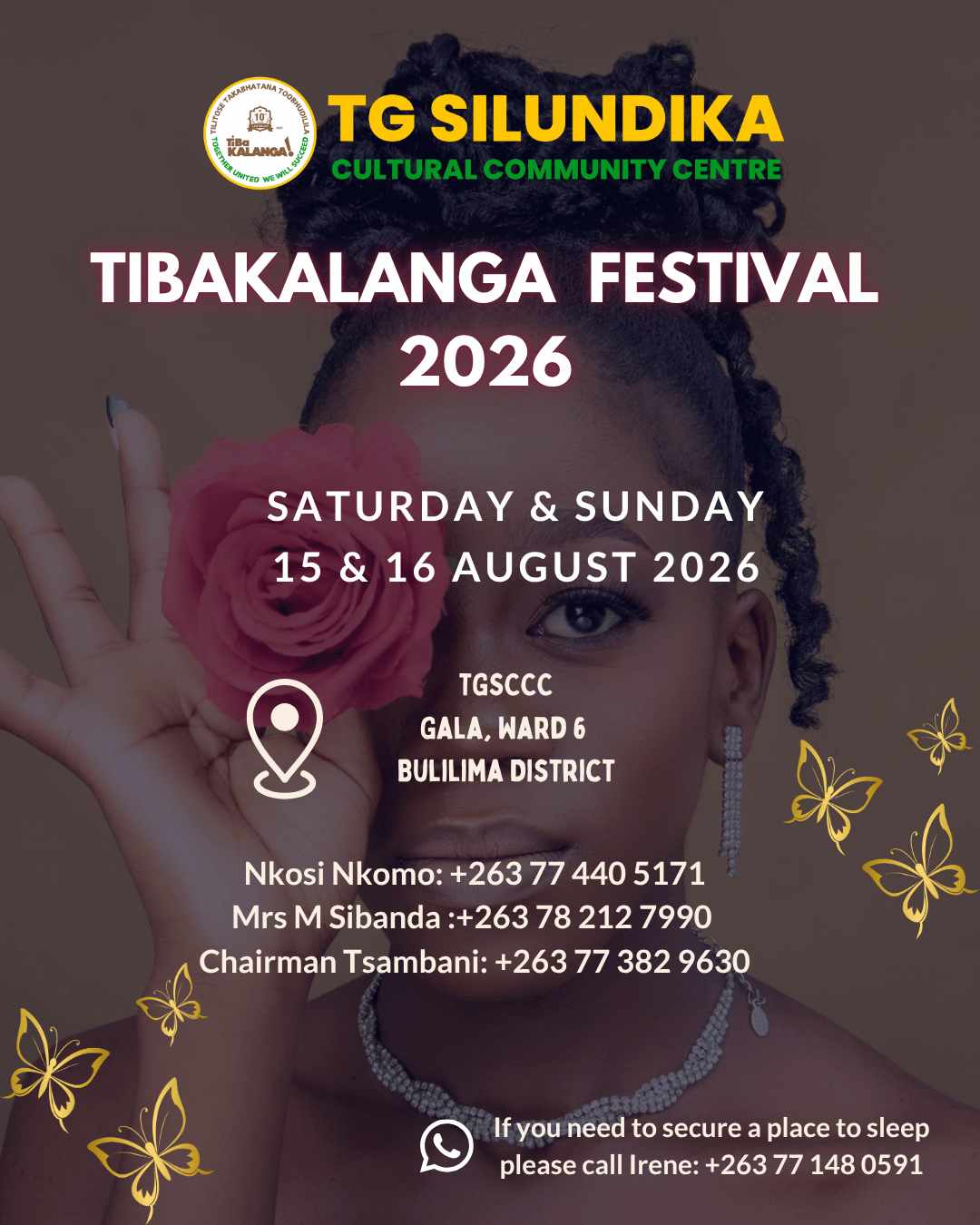
In the quiet, dusty stretches of the Gala communal area in Bulilima District, a profound experiment in cultural survival is unfolding. As globalization sweeps through rural Zimbabwe, many communities fear that their traditions will become mere artifacts—static memories relegated to textbooks. But at the TG Silundika Cultural Community Centre (TGSCCC), heritage is being reimagined not as a relic of the past, but as a vibrant, living toolkit for the next generation. Through the TiBaKalanga Festival, this village is showing us that preserving culture is the most forward-thinking thing a community can do.
1. Wildlife Education Through the Lens of Art
One of the most refreshing additions to the 2026 festival season is the Hlumani Wildlife Discovery Art Camp. Aimed at “young explorers” aged 6 to 12, the camp ditches the traditional classroom in favor of creativity. By using discovery cards and coloring activities, children connect with Zimbabwe’s iconic residents—from the majestic elephant and lion to the giraffe, zebra, rhino, and even the clever hyena.
Starting with art is a masterstroke of “intelligent simplicity.” It transforms environmental education into an emotional, tactile experience. When a child colors a rhino, they aren’t just learning biology; they are claiming their “natural heritage” as a point of personal pride. By the time they finish their discovery cards, they view these animals as neighbors to be protected rather than just resources.
“Each child will receive beautifully designed wildlife colouring pages and discovery cards that encourage creativity, reading and curiosity about our natural heritage.”
2. A 10K Race Born from a Social Crisis
While most road races are about personal bests, the “10K Wrap Up & Run” was born from a social emergency. Launched in 2015, the race was a deliberate strategy to steer unemployed youth away from “self-destructive activities.” In a region where recreational outlets were non-existent, the TGSCCC saw an opportunity to use sport as a catalyst for discipline.
The initial skepticism was high. Resources were low. The idea of a 10-kilometer race solving a socio-economic crisis seemed a stretch to many. Yet, the community eventually rallied. Beyond the finish line, the race serves a deeper purpose: the physical grit required to complete a 10K mirrors the mental resilience needed to navigate an unemployment crisis. It proves that physicality can be a powerful deterrent to despair, fostering a sense of community unity that costs nothing but effort.
3. A Pageant Where “Natural Beauty” is Only the Surface
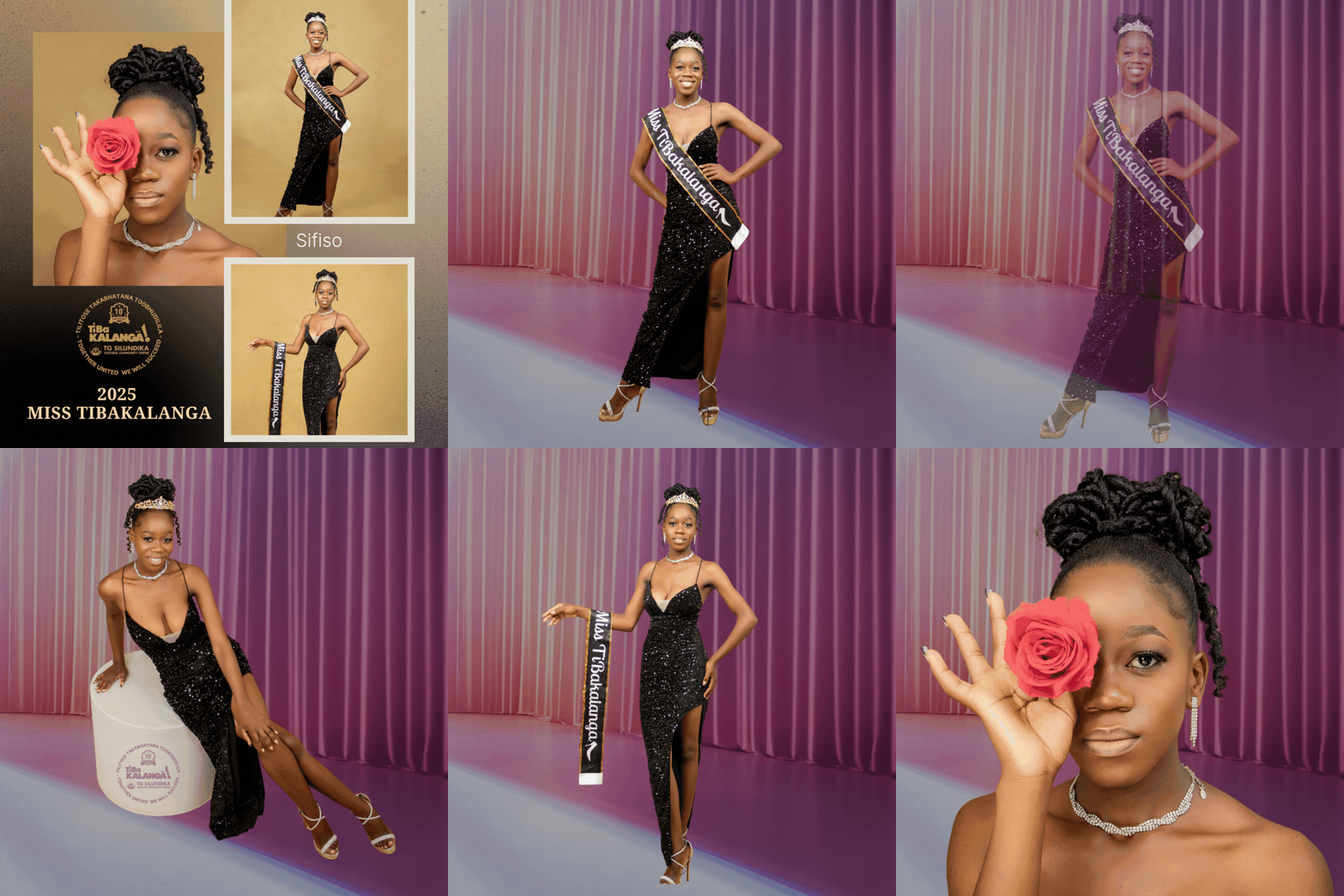
While global beauty pageants are often dismissed as superficial, “Miss TiBaKalanga” and its preliminary village competitions—”The Road to Miss TiBaKalanga”—serve as a vital cultural anchor. Drawing young women aged 16 to 25 from eight different villages, this is less of a contest and more of a leadership training ground.
The criteria—talent, intelligence, personality, and grace—transform the stage into a platform for “boosting confidence.” Unlike standard pageants, this “cultural extravaganza” requires intense collaboration between village coordinators, turning it into a regional exercise in community building. These young women don’t just wear crowns; they become ambassadors for a vibrant heritage, proving that local pride is the ultimate beauty standard.
4. The “Living Legacy” of a National Hero
At the emotional heart of this movement is the homestead of the late Zimbabwe nationalist and national hero, Tarcisius Malan George Silundika. In an extraordinary act of vision, the Silundika family transformed their private family home into “public social infrastructure.” This isn’t just a museum; it is a “beacon of cultural preservation” for the entire Bulilima District.
The transformation of a private homestead into a communal hub allows the legacy of a hero to breathe and grow. It signals a “cultural renaissance” where ancestral wisdom provides the foundation for modern innovation. By opening their doors to the public, the family has ensured that the history of one man becomes the empowerment of many.
“As shovels touched the earth, we didn’t just build; we shattered barriers and birthed a new era… the Centre, nestled in the homestead of TG Silundika, signifies a family’s unwavering commitment to honor their father’s legacy and empower their community, marking a cultural renaissance.”
5. Scaling Skills Beyond the Festival
For a culture to survive, it must be able to put food on the table. This is the logic behind the 2026 Youth Skills Training Programme. These workshops are specifically designed for those under 35, providing intensive, two-day practical training in basketry, beadmaking, and sewing/dressmaking.
These are not hobbyist circles; they are pathways to “income-generating opportunities.” By charging a nominal registration fee of R20, the program encourages professional commitment while remaining accessible. It’s a deliberate shift from charity to entrepreneurship, ensuring that traditional Kalanga crafts can provide a professional future for the youth, turning ancient skills into modern self-sufficiency.
Conclusion: A Question for the Future
The vision of the TGSCCC is to create a “dynamic cultural ecosystem”—one that respects the ancestors while equipping the children for the 21st century. Through the Hlumani Art Camp (which remains free of charge for all families) and the empowerment workshops, the village of Gala is drafting a blueprint for community-led resilience.
As we watch this village reimagine its heritage, it forces us to look at our own. How are we keeping our stories alive? Are we treating our traditions as dusty relics, or are we turning them into the building blocks of our future? Perhaps the greatest lesson from Gala is that our heritage is only as strong as the next generation’s ability to use it.

Comments